


Experiencing Eid al-Adha in Abu Dhabi: A Sacred Celebration Beyond the Spotlight
- May 29, 2025
- 2 min read
Updated: May 30, 2025
While Ramadan and Eid al-Fitr often steal the global spotlight with their festive lights and late-night bazaars, there’s another deeply significant Islamic holiday that unfolds with quieter dignity and deeper historical roots: Eid al-Adha. Known as the "Festival of Sacrifice," this holiday commemorates the Prophet Ibrahim’s unwavering faith when he was willing to sacrifice his son in obedience to God—a story mirrored in Christian and Jewish traditions as well.
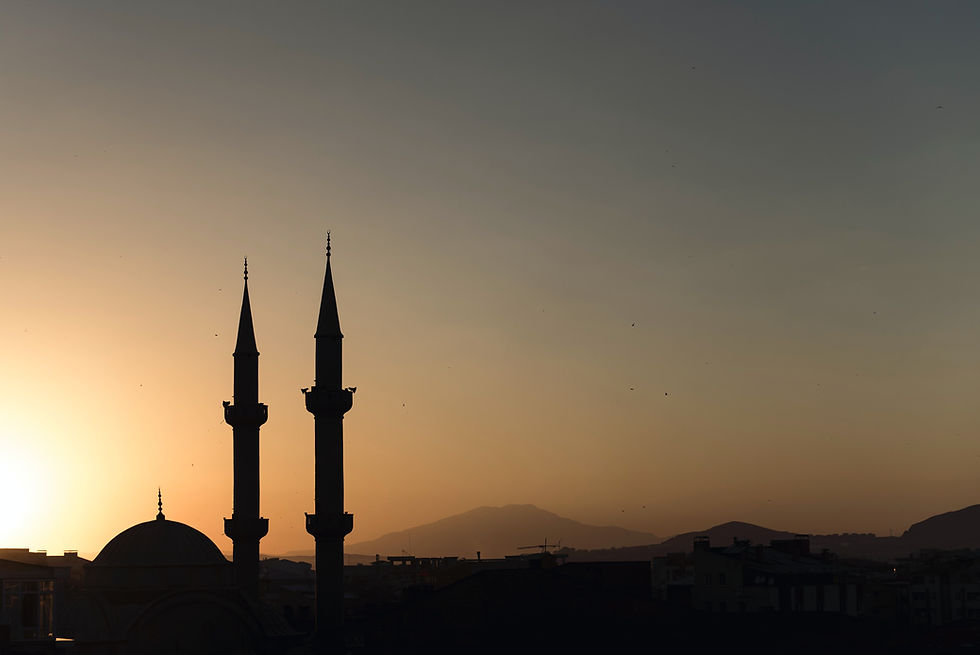
Living in Abu Dhabi, Eid al-Adha feels different. It’s not the same kind of celebratory burst you see during Eid al-Fitr; instead, it is reflective, reverent, and grounded in tradition. Yet it still brings families together, fills the mosques with a sense of unity, and shifts the rhythm of daily life in ways that are subtle but profound.
In the early morning, the city’s usual calm is pierced by a wave of activity as people dress in their finest clothes and head to the mosque for Eid prayers. It’s a collective moment of humility, with entire families—from toddlers to grandparents—lining up shoulder to shoulder in vast prayer grounds. The atmosphere is respectful and hushed, broken only by the melodic, powerful echoes of the imam’s sermon.

While malls and shops decorate for both Eids, you’ll find Eid al-Adha less commercialized. The focus isn’t on gifts or sweet treats, but on giving and sacrifice—both literal and metaphorical. The tradition of Qurbani, or the ritual slaughtering of an animal, is observed widely here, though in Abu Dhabi, this is often done through organized charitable programs or local abattoirs to ensure hygiene and proper distribution of meat to those in need.
Eid al-Adha in Abu Dhabi is very much a home-centered holiday. For expats and locals alike, it’s a time of reconnecting. You’re likely to be invited to a majlis or a family meal where slow-cooked lamb, machboos, stuffed vine leaves, and saffron-scented rice take center stage. The food, though delicious, is not the point—it’s the act of sharing it. Children still dress up and receive Eidiya (money gifts), and there's laughter and joy, but there’s also a quiet thread of reflection running through everything. Unlike the more festive Eid al-Fitr, this is a holiday rooted in gratitude, humility, and solidarity.
For many non-Muslims, Eid al-Adha might come and go without much notice. It doesn’t always make headlines or light up social media feeds. But in Abu Dhabi, this understated holiday reveals much about the depth of Islamic tradition, the generosity of the culture, and the ways in which modern cities continue to honor ancient faith.
If you're lucky enough to be in Abu Dhabi during Eid al-Adha, slow down and look closer. Attend the public prayers if invited. Taste the traditional food. Talk to your neighbors about what this day means to them. You’ll find a spiritual richness that often goes unnoticed—a festival that doesn’t ask for attention but offers so much in return.


Comments